 contact@livingyogaschool.com
 +91 8864911164


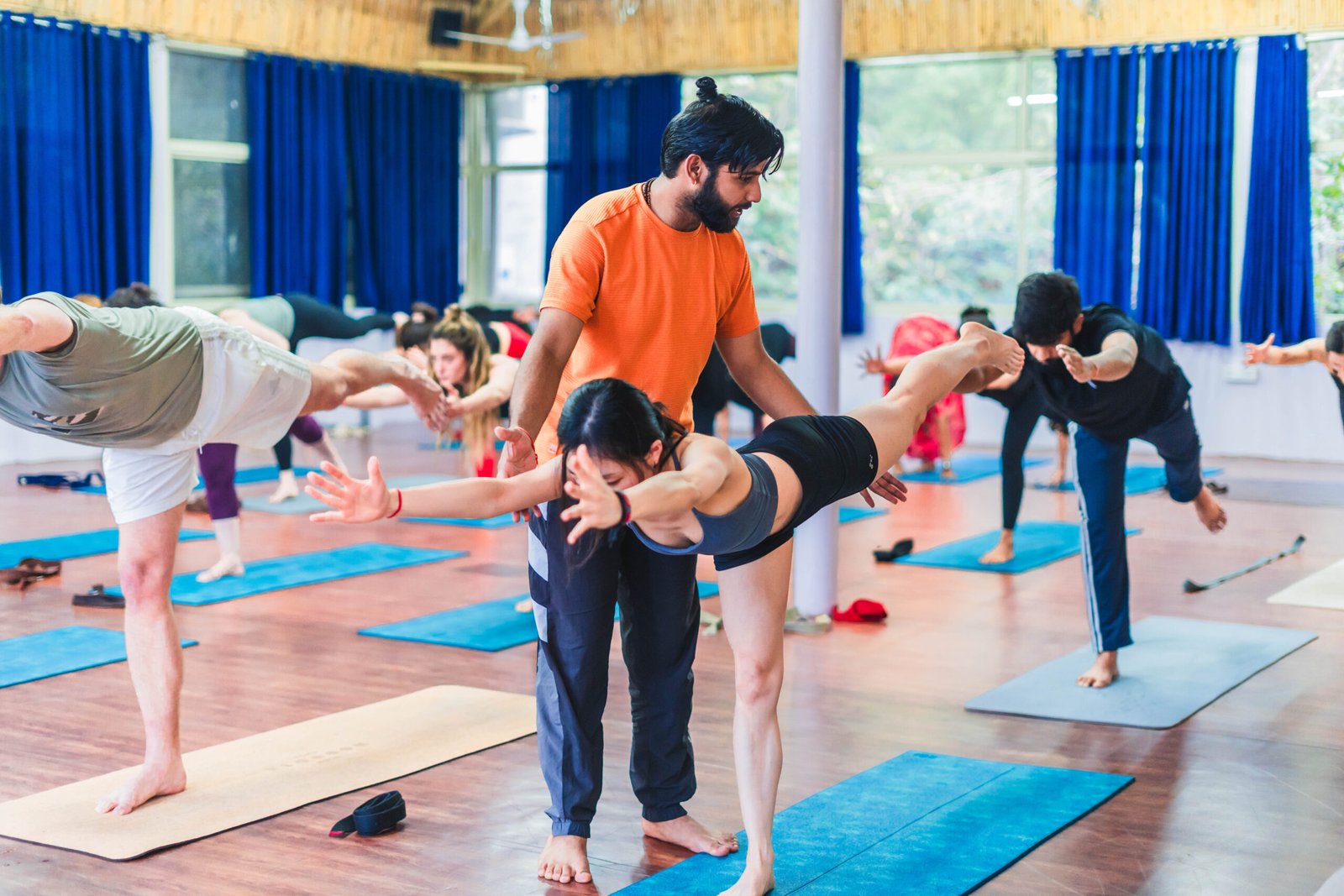
Yes, you have heard it right. If you are a yoga teacher, you have to teach with intention. There is no way you can be ambiguous and achieve success. As a yoga teacher, it is your inherent responsibility to create a space where physical, emotional, and spiritual growth can take place. ‘Sankalpa’, in yoga, is important. If you delve into the ancient texts, Gurus referred to it as ‘Sankalpa Sanskriti’. You can guide so many things if there is an intent. It is possible for you as a teacher to guide the flow of energy in class in the right direction. It also increases the overall focus of the class.
If you are a student, join the 300 hour yoga teacher training in Rishikesh to get a glimpse of how it goes. Teachers at the best yoga schools in Rishikesh will always set an intent in class. For teachers, let us discuss the golden rules of conducting a yoga class or session.
What Are The Golden Rules – 200 Hour Yoga Teacher Training In Rishikesh
Whether it is the 300 hour yoga teacher training in Rishikesh or the 1-month long 200 Hour Yoga Teacher Training In Rishikesh, you have to use these ways.

Understanding intention is the first step here, which is way different from goals and resolutions, for that matter. While the latter are about achieving a result, intention setting is about creating a mindset. The intent serves as a guiding principle to shape your mind’s thoughts and subsequent actions. You can connect to your heart’s deepest desires by setting intentions.
- You must start with reflection. While you prepare for your yoga class, take some time off to think about what you want to offer to your students. You can also create a theme-based session. Think of what challenges people face, and when they think about turning to yoga.
- Communicate your intentions clearly to the class. You should also offer the students some time to set a personal intention for their practice. Your student may choose to set a personal intent or skip it.
- You can encourage your students to personalize. It does not necessarily have to sync with yours. The students can be allowed to dedicate their practice to someone or something else.
- Throughout the class, you must keep referring to the intention. But do remember not to overdo it. There is a way to do this. You can set mantras and affirmations to make the intent clear. These can act as reminders. You can also create a referral posture, like Child’s Pose.
- When you are closing the yoga session or class, you can bring up the intent again. Many successful teachers have been doing that after Savasana.
So, you know the rules. But one answer remains. How to go about it?
Putting The Rules Into Practice In The Yoga Class
Let us understand, with a few examples. Let us assume that you, as a teacher, want to set up a class for shoulder pain relief. This is mainly connected to the physical body, or annamaya kosha. And one of the main tools in yoga, to get there, is through the asana.
Now, to manifest your intention, you need to create a strategy. And that strategy would include poses that strengthen the upper back and shoulder area. Arm rotations can be introduced into the practice for mobility.
You can also add a few supporting elements to give shape to the strategy. They can be breath awareness and visualization meditation. These will help in manifesting the intention. When you are going through the 200 Hour Yoga Teacher Training in Rishikesh, all such things are taught. Through this process, you need to weed out the filler activities slowly. It may not happen in the first instance. A clear purpose will guide the class forward.
Take Away…
Most yoga students who have completed the 200 Hour Yoga Teacher Training In Rishikesh will know about such strategies. Take your time, as you start your teaching career, to put these into practice.




0 Comments