contact@livingyogaschool.com
 +91 8864911164


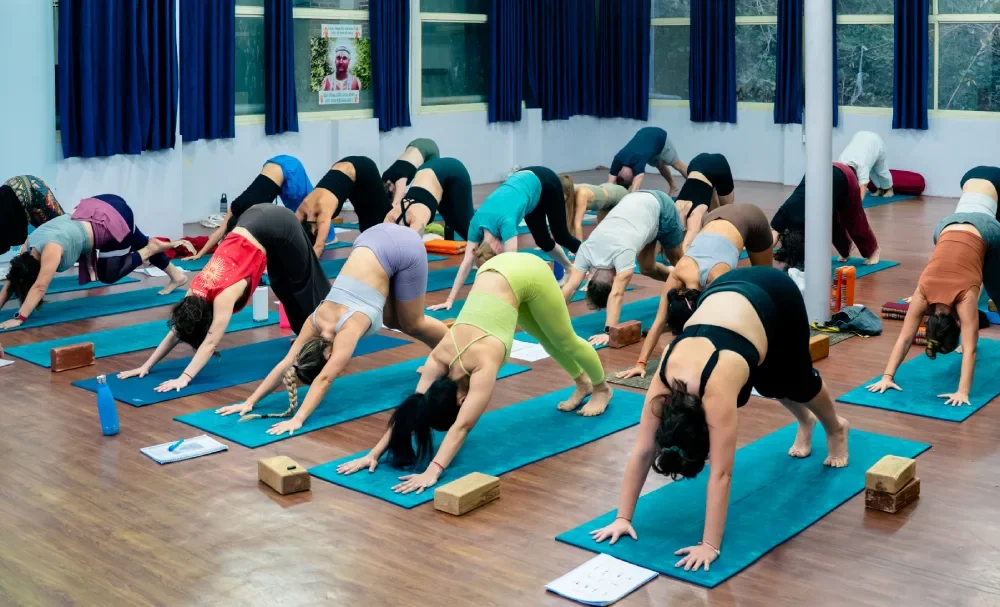
Your first step to Yoga Teacher Training in India can be fascinating but intimidating. India continues to remain a top destination for aspiring yoga teachers too with its deep spiritual roots, diverse course choices and globally recognized certifications. This guide explains all you need to get started – clearly, practically and with the right decisions from day one.
Reasons to Start Yoga in India
Yoga originated in India thousands of years ago as a complete lifestyle, aimed at physical, mental and spiritual well-being. Yoga Training here is more than just certification — you’ll experience culturally authenticity, and it teaches to that.
Yoga education is provided at plenty of spots however, places like Rishikesh have their own awards. Located in the Himalayas and alongside the holy River Ganges, the surroundings lend itself naturally to concentration, diligence, and introspection. You will find a plethora of traditional ashrams and modern yoga schools here for students.
Step 1: Know The Varieties Of Yoga Teacher Training
Now that you know what to look out for before enrolling, here are the different course levels:
200-Hour Yoga Teacher Training
This is the core course for beginners and intermediate users. It covers:
- Basic asanas (postures)
- Breathing techniques (pranayama)
- Meditation practices
- Introduction to yoga philosophy
300-Hour Yoga Teacher Training
An updated training available for those who have already finished a 200 hr certification. It contains a deeper practice, advanced sequencing and refined teaching skills.
500-Hour Yoga Teacher Training
An advanced program that offers 200 & 300 hour courses for building expertise
This will allow you to teach all over the world right when you complete most certified 200hr Yoga Alliance programs.
Step–2: Choose the Appropriate Location
Though there are several yoga schools throughout the India, some locations work best:
- Best for a spiritual atmosphere and ancient learning – Rishikesh
- Goa – Perfect place for a relaxed learning experience big by the beach
- Dharamshala – A calm Himalayan township with Tibetan heritage
All of them have a different experience but you can decide based on your learning style and place {either enrolled or offline}.
Step 3: Course curriculum and teaching style
Yoga teacher training programs are not all created equal. A well-structured course should include:
- Hatha and/or Ashtanga yoga practice
- Anatomy and physiology
- Yoga philosophy (such as Yoga Sutras of Patanjali)
- Teaching methodology and class sequencing
- Practicum (practice teaching sessions)
The training curriculum should be a blend of theory & practicals.
Step 4: Grasp the Price and Its Inclusions
Affordability of training is one of the greatest benefits when it comes to training in India. Courses here are much cheaper than the ones you’d find in Western countries.
Typical inclusions:
- Accommodation
- Daily vegetarian meals
- Study materials
- Excursions or workshops
To provide you with an idea of costs, most 200 hour yoga classes are inexpensive but still high quality and price will differ from city to city as a general rule for all the similar amenities provided and duration offered.
Step 5: Rehearse
You don’t have to be a pro before you take part in a yoga teacher training, but having some familiarity with yoga is useful. Here are some easy things to get sorted in advance, so you can have a smoother experience:
- Practice yoga regularly before arrival
- Build stamina for daily sessions
- Maintain a balanced diet
- Be open also be disciplined
The training, in a way, is kind of a boot camp—many hours per day beginning early mornings and lots of introspection.
Step 6: Be aware of what your day-to-day schedule will be
What does a schedule look like in Yoga Teacher Training in Rishikesh?
- Early morning meditation or pranayama
- Asana practice session
- Breakfast
- Philosophy or anatomy class
- Afternoon practice or teaching methodology
- Evening meditation or relaxation
A routine, which instils consistency and discipline — some of the most important traits for any yoga teacher.
Step 7: Travelling and Practical Requirements
Ensure you have the below before entering in India:
- An entry visa (typically a tourist visa is enough)
- Travel insurance
- Comfortable yoga clothing
- Basic health precautions
Many institutions also offer airport pickup and provide help with the adjustment, therefore easing the transition for foreign students.
Step 8: What do You Learn after Completing It
You are not only working towards acquiring a certain set of skills (the above-mentioned benefits); Your Yoga Teacher Training is about Transformation. Once you complete your course, you can:
- Becoming a certified instructor and registering with Yoga Alliance
- Teach yoga classes globally
- Deepen your personal practice
- Explore advanced training programs
Others leave relieved, clear headed, confident and more in touch with who they are.
Common Mistakes to Avoid
- Relying on Price Alone When Choosing A Course
- Ignoring reviews or school credibility
- Overlooking course curriculum details
- You are conditioning on a luxury retreat rather than a disciplined coaching
- Investing time in research will make sure that you choose the right program for your goals.
Final Thoughts
Beginning Yoga Teacher Training in India is an important step towards personal and professional development. India is the ideal place to get authentic yoga of its most purest form with real practices, expertly trained teachers and an extraordinary space to learn.
Whatever your goal is, either you want to becoming a teacher or enhance your practice, this journey will help you changing the view of life as well as discover great opportunities in life. With the right preparation and course selection, you will be able to begin this transformative journey with confidence—today!